How to Deal with Common Car Problems
Owning a car can be a convenient and liberating experience, but it also comes with its fair share of challenges. From flat tires to engine troubles, dealing with common car problems is an inevitable part of being a vehicle owner. However, knowing how to handle these issues effectively can save you time, money, and unnecessary stress. In this article, we will explore some practical tips on how to deal with these common car problems like a pro.
Identifying a Flat Tire
One of the most common car problems that drivers encounter is a flat tire. It can happen unexpectedly, leaving you stranded on the side of the road. The key to dealing with a flat tire is to identify it early on. If you notice your car pulling to one side, hear a flapping sound, or feel a vibration in the steering wheel, it could be a sign of a flat tire. In such a scenario, pull over to a safe location and assess the situation.
Changing a Flat Tire
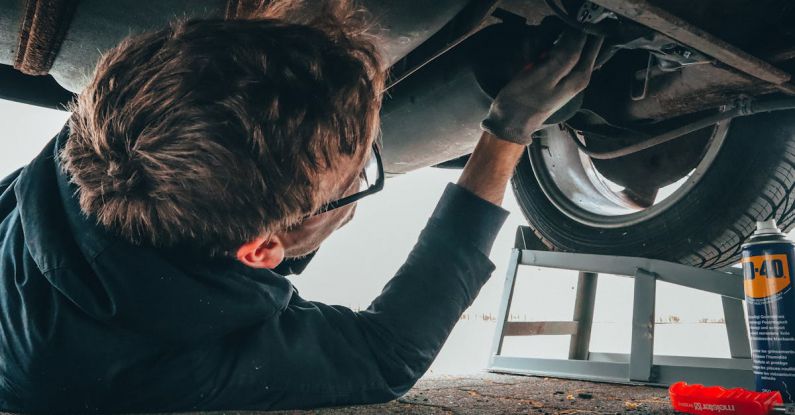
Once you’ve identified a flat tire, the next step is to change it. Make sure your car is parked on a flat surface and engage the parking brake for added safety. Locate the spare tire, jack, and lug wrench in your vehicle. Loosen the lug nuts before lifting the car with the jack. Remove the flat tire, replace it with the spare tire, and tighten the lug nuts in a star pattern. Lower the car, remove the jack, and ensure all lug nuts are securely fastened. It’s essential to drive to a mechanic or tire shop to repair or replace the flat tire as soon as possible.
Dealing with Engine Overheating
Another common car problem that many drivers face is engine overheating, especially during hot weather or heavy traffic. If you notice your temperature gauge rising, steam coming from the hood, or a sweet smell, your engine may be overheating. In such a situation, safely pull over, turn off the engine, and allow it to cool down. Never attempt to open the radiator cap when the engine is hot, as it can lead to severe burns. Check the coolant level once the engine has cooled down and top it up if necessary. If the problem persists, seek professional help to avoid engine damage.
Handling a Dead Battery
A dead battery is a common car problem that can occur unexpectedly. If you turn the key and hear a clicking sound or notice dim lights on the dashboard, your battery may be dead. In such a scenario, you can jump-start your car using jumper cables and another vehicle with a working battery. Connect the red cable to the positive terminal of the dead battery and the working battery, and the black cable to the negative terminal of the working battery and a metal surface on the dead car. Start the working car and let it run for a few minutes before attempting to start the dead car. If the battery continues to be problematic, consider replacing it.
Dealing with a Check Engine Light
The check engine light is a common car problem that can be triggered by various issues, such as a loose gas cap, faulty oxygen sensor, or engine misfire. If the check engine light illuminates on your dashboard, it’s essential to address the underlying problem promptly. You can use an OBD-II scanner to diagnose the issue or take your car to a mechanic for a thorough inspection. Ignoring the check engine light can lead to more significant problems down the line.