How to Grow Fruit Trees in Your Backyard
**How to Grow Fruit Trees in Your Backyard**
Fruit trees are not only a beautiful addition to your backyard but also a fruitful one, quite literally. Imagine stepping outside and picking fresh, ripe fruit straight from your own trees. With the right knowledge and care, you can turn this dream into a reality. Let’s explore the essential steps to successfully grow fruit trees in your backyard.
**Choosing the Right Tree**
When it comes to growing fruit trees, the first step is selecting the right tree for your backyard. Consider the climate in your area and choose a tree that thrives in those conditions. Additionally, think about the space you have available and the size of the tree once it reaches maturity. Some popular fruit trees for backyard growing include apple, peach, cherry, and lemon trees.
**Selecting the Ideal Location**
The location of your fruit tree plays a crucial role in its growth and fruit production. Fruit trees generally require full sun to thrive, so choose a spot in your backyard that receives at least 6-8 hours of sunlight per day. Ensure the area has well-draining soil to prevent waterlogging, which can lead to root rot.
**Planting the Tree**
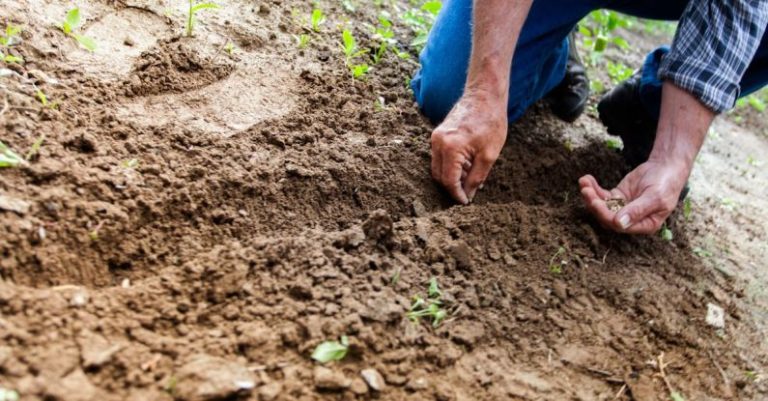
Once you have chosen the right tree and location, it’s time to plant it in your backyard. Dig a hole that is twice as wide and just as deep as the tree’s root ball. Gently remove the tree from its container and place it in the hole, making sure the root ball is level with the ground. Backfill the hole with soil, tamp it down gently, and water the tree thoroughly.
**Watering and Fertilizing**
Proper watering is essential for the health of your fruit tree. While young trees require regular watering to establish their roots, mature trees generally need 1-2 inches of water per week, depending on the weather conditions. Additionally, fertilize your fruit tree in the spring with a balanced fertilizer to promote healthy growth and fruit production.
**Pruning and Training**
Regular pruning is key to maintaining the shape and health of your fruit tree. Prune away any dead, damaged, or crossing branches to improve air circulation and sunlight exposure. Training your fruit tree by shaping its growth can also help increase fruit production and make harvesting easier.
**Pest and Disease Management**
Keeping an eye out for pests and diseases is crucial to the success of your fruit tree. Inspect your tree regularly for signs of infestation, such as holes in the leaves or fruit, and take appropriate measures to control the issue. Consider using organic pest control methods to protect your tree and the environment.
**Harvesting and Enjoying**
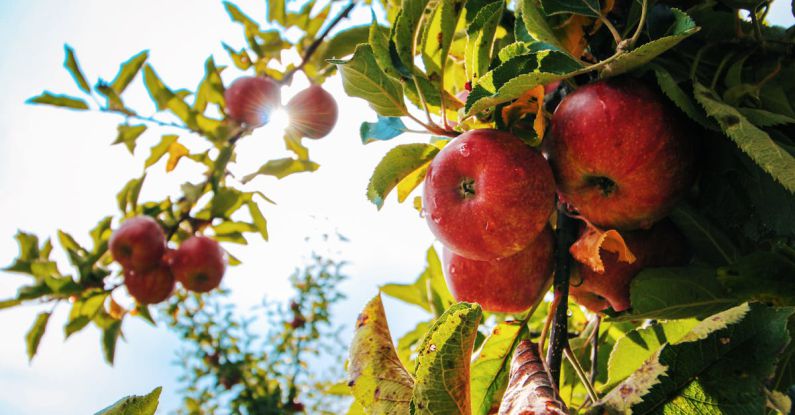
After all your hard work and patience, the time will come to harvest the fruits of your labor. Different fruits have different ripening times, so keep an eye on your tree and harvest the fruit when it is ripe. Enjoy the fresh, delicious fruit straight from your backyard tree, knowing that you played a part in its growth.
**Embracing the Fruits of Your Labor**
Growing fruit trees in your backyard is a rewarding experience that allows you to connect with nature and enjoy the literal fruits of your labor. By choosing the right tree, providing proper care, and staying vigilant against pests and diseases, you can successfully grow fruit trees in your backyard and enjoy the bountiful harvest they provide. So, roll up your sleeves, get your hands dirty, and watch as your backyard transforms into a fruitful oasis.