Organic Gardening: Myths and Facts
Gardening has become more than just a hobby for many people; it has transformed into a way of life. With the rising awareness of environmental sustainability and health benefits, organic gardening has gained significant popularity. However, along with this popularity, various myths and misconceptions have also surfaced. In this article, we will delve into the world of organic gardening to uncover the truths behind the myths and present the facts that every aspiring organic gardener should know.
Understanding Organic Gardening
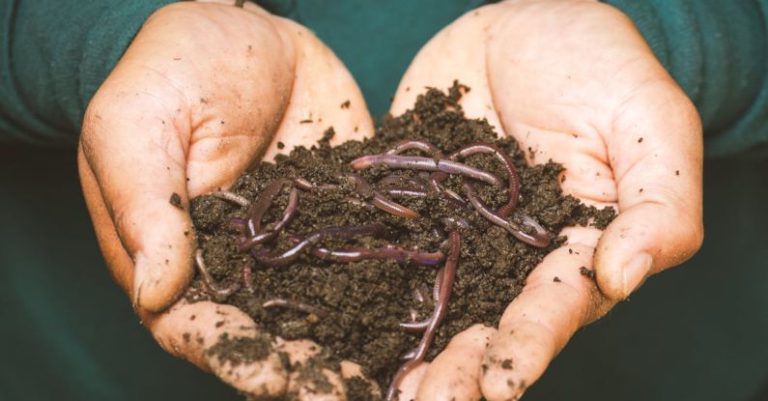
Organic gardening is a method of growing plants without the use of synthetic chemicals, pesticides, or fertilizers. Instead, organic gardeners rely on natural substances like compost, manure, and beneficial insects to nurture their plants. The primary goal of organic gardening is to work in harmony with nature, preserving the soil’s health and biodiversity while producing healthy and nutritious crops.
Myth: Organic Gardening Is Too Expensive
One of the most common misconceptions about organic gardening is that it is too expensive compared to conventional methods. While it is true that organic products can sometimes be pricier upfront, the long-term benefits far outweigh the initial costs. By investing in organic practices, you are not only promoting your health and the environment but also ensuring the sustainability of your garden in the years to come.
Fact: You Can Start Small
Contrary to popular belief, you don’t need a large plot of land or fancy equipment to start an organic garden. In fact, you can begin with just a few pots on a balcony or a small raised bed in your backyard. By starting small, you can learn the basics of organic gardening without feeling overwhelmed. As you gain experience and confidence, you can gradually expand your garden and experiment with different techniques.
Myth: Organic Gardening Is Less Productive
Another myth surrounding organic gardening is that it yields fewer crops compared to conventional methods. While it is true that organic farming may have lower yields initially, the long-term benefits of organic practices far outweigh any temporary setbacks. By building healthy soil through composting and crop rotation, organic gardeners can improve the fertility and resilience of their land, leading to bountiful harvests year after year.
Fact: Organic Gardening Is Better for the Environment
One of the most significant advantages of organic gardening is its positive impact on the environment. By avoiding synthetic chemicals and promoting biodiversity, organic gardeners help protect pollinators, beneficial insects, and other essential components of the ecosystem. Additionally, organic practices reduce water pollution, soil erosion, and greenhouse gas emissions, making them a more sustainable choice for both the planet and future generations.
Myth: Organic Gardening Is Too Time-Consuming
Some people believe that organic gardening requires a significant amount of time and effort, making it impractical for busy individuals. While it is true that organic practices may require more initial work, such as building healthy soil and managing pests naturally, the long-term benefits far outweigh the extra effort. With proper planning and organization, organic gardening can be integrated into even the busiest lifestyles, providing a rewarding and relaxing escape from the stresses of everyday life.
Fact: Organic Gardening Promotes Health and Wellness
In addition to its environmental benefits, organic gardening also promotes health and wellness for the gardener and their community. By growing organic fruits and vegetables, you can ensure that your food is free from harmful chemicals and pesticides, promoting better nutrition and overall well-being. Additionally, spending time outdoors in the garden has been shown to reduce stress, improve mood, and increase physical activity, leading to a healthier and happier lifestyle.
Embracing Organic Gardening
As we have explored the myths and facts surrounding organic gardening, it is evident that this sustainable practice offers a wealth of benefits for both individuals and the environment. By dispelling common misconceptions and embracing organic principles, you can create a thriving garden that nourishes your body, mind, and spirit. Whether you are a seasoned gardener or a novice enthusiast, organic gardening provides a rewarding and fulfilling experience that connects you with nature and promotes a greener, healthier planet for all.